Meningitis
Meningitis is inflammation of the meninges, the protective membranes that surround the brain and spinal cord, usually caused by infection. Bacterial meningitis can become life-threatening within hours and is a medical emergency, whereas viral meningitis is more common and usually milder. Vaccines have greatly reduced some forms, but meningitis remains a major cause of death and disability worldwide1,3.
This information is for education. It is not medical advice and does not replace assessment by a qualified health professional. Anyone concerned about symptoms should consult a doctor; in an emergency, local emergency services should be contacted.
What it is
Meningitis is inflammation of the meninges, the thin membranes that wrap the brain and spinal cord, and of the space between them that is filled with cerebrospinal fluid (CSF), the clear fluid that cushions the brain5. Many organisms can cause it, including bacteria, viruses, fungi and parasites, and some non-infectious conditions, such as autoimmune diseases and certain medicines, can also inflame the meninges1,11.
Viral meningitis is the most common form in many countries and usually gets better on its own within 7 to 10 days2,11. Bacterial meningitis is rarer but far more serious: it can progress within hours, may be accompanied by sepsis (a life-threatening reaction to infection in the bloodstream) and needs urgent hospital treatment1,2.
Meningitis can affect anyone at any age, but the burden is greatest in young children and in the African meningitis belt, a region of sub-Saharan Africa stretching from Senegal to Ethiopia that experiences recurrent epidemics1,3. In 2023, children younger than 5 years accounted for more than a third of meningitis deaths worldwide3.
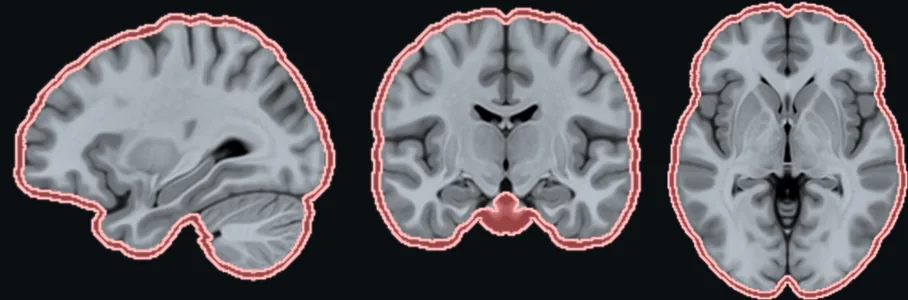
Meningitis is inflammation of the meninges, the thin membranes that wrap the brain and spinal cord, and of the fluid-filled space between them5.
Signs and symptoms
Symptoms usually develop suddenly and at first can resemble flu or a stomach bug2. Not everyone has every symptom, and the classic combination of fever, neck stiffness and confusion is often incomplete4.
- Fever, sometimes with very cold hands and feet1,2
- A severe headache that is getting worse, and a stiff neck1,2
- Sensitivity to bright light, nausea and vomiting1
- Confusion, unusual drowsiness or difficulty waking, and in some cases seizures (fits)1,2
- A rash of spots or blotches that does not fade when a glass is pressed against it, a sign of meningococcal sepsis; it can be harder to see on brown or black skin1,2
- In babies: poor feeding, a weak, high-pitched or continuous cry, floppiness or a stiff body, and a bulging soft spot (fontanelle) on the head1,2
Causes and risk factors
The organisms most likely to cause meningitis depend on age, immune status and setting1. Most of the bacteria involved live harmlessly in the nose and throat of some people and spread through respiratory droplets or close contact, such as kissing or living in the same home; only occasionally do they invade the body and cause disease1,2.
- Group B streptococcus: the main bacterial risk for newborn babies, passed from mother to baby during birth1
- Meningococcus (Neisseria meningitidis), pneumococcus (Streptococcus pneumoniae) and Haemophilus influenzae: the main bacterial causes in children, adolescents and adults1
- Enteroviruses, common viruses spread through saliva, mucus and faeces, which are the usual cause of viral meningitis; other causes include varicella zoster, mumps and herpes viruses11
- Cryptococcus, a fungus, which mainly affects people with weakened immunity11
- A weakened immune system, for example from HIV or chemotherapy1,2
- Crowded settings such as mass gatherings, military camps, closed institutions and camps for displaced people, which favour meningococcal outbreaks1
- Missing routine vaccinations11
Genetics
Meningitis is an infection and is not inherited, but a person’s genes can influence how vulnerable they are to some of the bacteria that cause it8. The clearest evidence concerns meningococcal disease and the complement system, a group of blood proteins that help the immune system destroy bacteria8.
Rare single-gene complement deficiencies are associated with meningococcal disease, and genome-wide association studies, which compare common genetic variants across thousands of people, have linked variation in the complement factor H genes (CFH and CFHR3) to susceptibility8. Medicines that block the complement protein C5 may also increase susceptibility to meningococcal disease9.
What happens in the brain
Bacteria that cause meningitis usually first settle in the lining of the nose and throat, then enter the bloodstream and travel to the brain, crossing the blood-brain barrier, the tightly sealed layer of blood-vessel cells that normally protects the brain5,11,12. Once in the CSF-filled space around the brain they can multiply freely12.
Much of the harm comes from the body’s own uncontrolled inflammatory response rather than from the bacteria alone9. White blood cells called neutrophils flood the CSF, driven partly by a complement fragment called C5a, and the resulting inflammation is linked to disease severity and to brain damage9.
This inflammation can lead to brain swelling, raised pressure inside the skull, strokes and hearing loss, and in severe cases to permanent brain damage1,11. Viral meningitis usually causes milder inflammation, and most people recover without long-term problems2.
How it is diagnosed
Meningitis is confirmed by examining CSF obtained through a lumbar puncture, in which a thin needle is inserted between the bones of the lower back1,11. Laboratory tests on CSF and blood identify the organism, show which antibiotics are likely to work and inform public health action1.
If bacterial meningitis is suspected, antibiotic treatment must not be delayed while waiting for a lumbar puncture or its results1. A brain scan is done before the lumbar puncture in some people, for example those with reduced consciousness, new neurological signs or a weakened immune system6.
- Rapid clinical assessment of symptoms, level of consciousness and any rash2,10
- CSF tests: white blood cell count, protein and glucose levels, Gram stain (a quick microscope test for bacteria) and culture4,6
- PCR (polymerase chain reaction), which detects the genetic material of bacteria or viruses in CSF4
- Blood tests and blood cultures to look for infection and sepsis1,4
- CT or MRI brain scans to look for swelling, bleeding or other complications11
How scientists study it
Laboratory-based surveillance detects outbreaks and tracks circulating strains and antibiotic resistance1. Global Burden of Disease analyses estimate cases and deaths by cause, age and country over time3.
Trials of adjunctive corticosteroids, pooled in systematic reviews, showed fewer cases of hearing loss and neurological after-effects in high-income countries7.
Multiplex PCR panels that test CSF for many pathogens at once are being evaluated, although rigorous studies of their accuracy are still scarce4.
Studies of families with rare immune deficiencies and genome-wide association studies have identified host genes, especially in the complement pathway, that shape susceptibility to meningococcal disease8.
Mouse models of pneumococcal meningitis are used to study inflammation; in these models, blocking complement C5 with antibodies prevented brain damage and death9.
NINDS-supported studies examine how meningitis can damage the brain’s immune response and change immune cells in the meninges, which may weaken defences against later infections11.
Vaccines given in pregnancy to protect newborns against Group B streptococcus are in the final stages of clinical development1.
Current treatments
Suspected bacterial meningitis is treated with intravenous antibiotics as soon as possible; giving them within an hour of arrival improves outcomes1,4. Commonly used choices such as ceftriaxone, sometimes combined with vancomycin or ampicillin, are adjusted for age, immune status and local resistance patterns1,6. In India, the ICMR Standard Treatment Workflow advises starting ceftriaxone with vancomycin within 30 minutes of arrival, adding ampicillin for people older than 50 or with weakened immunity13.
Dexamethasone, a corticosteroid, is often started with the first antibiotic dose to reduce inflammation1. It reduces hearing loss and neurological after-effects in high-income countries, but no clear benefit has been shown in low-income settings7.
Treatment may include fluids and oxygen, control of seizures and, for sepsis or severe illness, intensive care2,11.
Antibiotics do not work against viruses; viral meningitis usually needs only rest, painkillers and anti-sickness medicine2,11. Fungal meningitis is treated with intravenous antifungal medicines11.
People in close contact with someone with meningococcal disease are offered antibiotics to clear the bacteria from the nose and throat and reduce spread1.
Vaccines against Haemophilus influenzae type b, pneumococcus and meningococcus, including protein-based vaccines against meningococcal group B, are the most effective way to provide long-lasting protection1.
Research frontiers
A conjugate vaccine against serogroup A largely eliminated that form in the African meningitis belt, and in 2023 WHO prequalified a five-component vaccine covering serogroups A, C, W, Y and X for the region1.
Maternal vaccines intended to protect newborns from Group B streptococcal disease are nearing the end of clinical development1.
Drugs that block C5a or its receptor are being explored as add-on treatments that could reduce brain damage without impairing the killing of bacteria; they remain experimental9.
Point-of-care multiplex PCR tests could speed identification of the cause, but trials are needed before routine use4.
Pneumococcal strains not covered by current vaccines and bacteria with reduced antibiotic susceptibility are emerging, driving work on new vaccines and treatments4.
Deaths and cases have fallen substantially since 1990, but progress is not fast enough to meet WHO goals for 2030, and fungal causes pose a growing challenge3.
Living with the condition and seeking help
Suspected meningitis is a medical emergency. Anyone who thinks they or their child might have meningitis should seek emergency care immediately (in India by calling 112 or the ambulance number 10814,15, elsewhere the local emergency number, or by going to the nearest emergency department) and should not wait for a rash or for every symptom to appear2. Warning signs include a rash that does not fade when pressed, a very painful headache, a stiff neck, confusion, unusual sleepiness, a first seizure, and in babies a weak or high-pitched cry, floppiness or refusal to feed2.
Vaccination is the most effective protection against the main bacterial causes1. National immunisation programmes protect against these causes: India’s Universal Immunisation Programme includes the pentavalent vaccine, which covers Haemophilus influenzae type b, and the pneumococcal conjugate vaccine16, and children and teenagers in the United Kingdom are offered vaccines including MenB, MenACWY, pneumococcal, the 6-in-1 vaccine (which covers Haemophilus influenzae type b) and MMRV2. A doctor or nurse can check which vaccines a person has had.
People who live with someone who has bacterial meningitis should ask a doctor or nurse about preventive antibiotics, wash their hands often and avoid sharing cups, cutlery or toothbrushes1.
After bacterial meningitis, some people have lasting effects such as hearing or vision loss, seizures or difficulties with memory and concentration, and benefit from follow-up, rehabilitation and support from disability organisations and meningitis charities1,2.
References
- World Health Organization. Meningitis (fact sheet). Link
- NHS (United Kingdom). Meningitis. Page last reviewed 12 June 2026. Link
- Sirota SB, Bender RG, et al. Global, regional, and national burden of meningitis, its risk factors, and aetiologies, 1990-2023: a systematic analysis for the Global Burden of Disease Study 2023. Lancet Neurol. 2026;25:451-468. doi:10.1016/S1474-4422(26)00101-8 · PubMed
- van de Beek D, Brouwer MC, Koedel U, Wall EC. Community-acquired bacterial meningitis. Lancet. 2021;398:1171-1183. doi:10.1016/S0140-6736(21)00883-7 · PubMed
- van de Beek D, Brouwer M, Hasbun R, Koedel U, Whitney CG, Wijdicks E. Community-acquired bacterial meningitis. Nat Rev Dis Primers. 2016;2:16074. doi:10.1038/nrdp.2016.74 · PubMed
- Hasbun R. Progress and challenges in bacterial meningitis: a review. JAMA. 2022;328:2147-2154. doi:10.1001/jama.2022.20521 · PubMed
- Brouwer MC, McIntyre P, Prasad K, van de Beek D. Corticosteroids for acute bacterial meningitis. Cochrane Database Syst Rev. 2015;(9):CD004405. doi:10.1002/14651858.CD004405.pub5 · PubMed
- Hodeib S, Herberg JA, Levin M, Sancho-Shimizu V. Human genetics of meningococcal infections. Hum Genet. 2020;139:961-980. doi:10.1007/s00439-020-02128-4 · PubMed
- Koelman DLH, Brouwer MC, van de Beek D. Targeting the complement system in bacterial meningitis. Brain. 2019;142:3325-3337. doi:10.1093/brain/awz222 · PubMed
- National Institute for Health and Care Excellence (NICE), United Kingdom. Meningitis (bacterial) and meningococcal disease: recognition, diagnosis and management. NICE guideline NG240. 2024. Link
- National Institute of Neurological Disorders and Stroke, United States. Meningitis. Link
- Mook-Kanamori BB, Geldhoff M, van der Poll T, van de Beek D. Pathogenesis and pathophysiology of pneumococcal meningitis. Clin Microbiol Rev. 2011;24:557-591. doi:10.1128/CMR.00008-11 · PubMed
- Indian Council of Medical Research and Department of Health Research, Ministry of Health and Family Welfare, Government of India. Standard Treatment Workflows of India, 2019 edition, vol. 1: Neurology (acute paralysis, dementia, epilepsy, headache, neuroinfections, stroke). New Delhi: ICMR; 2019. Link
- Press Information Bureau, Government of India (Ministry of Women and Child Development). Panic button becomes available to women with launch of ERSS and pan-India emergency number 112. 19 February 2019. Link
- National Health Mission, Ministry of Health and Family Welfare, Government of India. ERS/Patient Transport Service: National Ambulance Service (Dial 108/102). Accessed October 2026. Link
- Press Information Bureau, Government of India. PIB Backgrounder: Celebrating the power of vaccines. 17 March 2026. Link
Prepared 15 October 2026.
Last updated