Dementia
Dementia is an umbrella term for conditions in which progressive damage to the brain impairs memory, thinking, behaviour and the ability to manage everyday life. It is caused by several different diseases, of which Alzheimer’s disease is the most common, and it is one of the major causes of disability and dependency among older people worldwide1.
This information is for education. It is not medical advice and does not replace assessment by a qualified health professional. Anyone concerned about symptoms should consult a doctor; in an emergency, local emergency services should be contacted.
What it is
Dementia is not a single disease but a syndrome, a recognisable pattern of symptoms, caused by diseases or injuries that damage the brain more than would be expected from normal ageing1. It gets worse over time and, although it is more common after the age of 65, it is not an inevitable part of growing older1.
Young-onset dementia, in which symptoms begin before 65, accounts for up to 9% of cases1. Dementia affects carers, families and society as well as the person diagnosed; in 2019 its global cost was estimated at US$1.3 trillion, about half of which was attributed to care given by family members and friends1.
The main types are vascular dementia, Lewy body dementia, frontotemporal dementia and dementia caused by Alzheimer’s disease1. Mixed forms, in which more than one disease process is present, are common1,3.
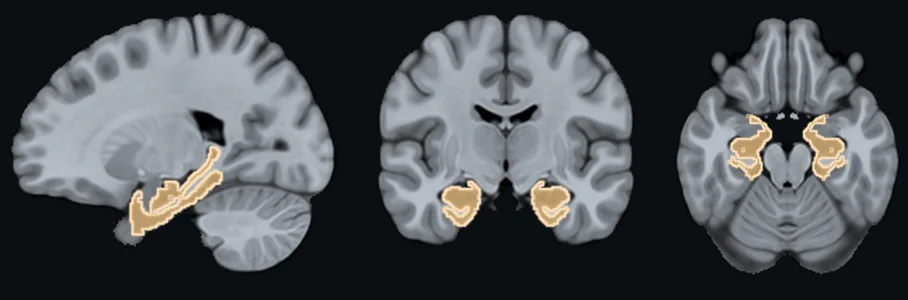
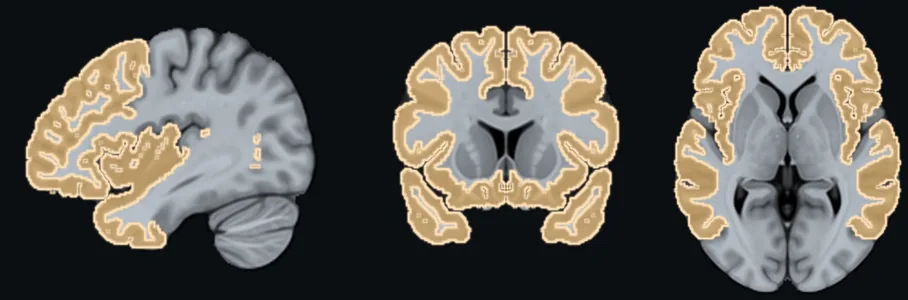
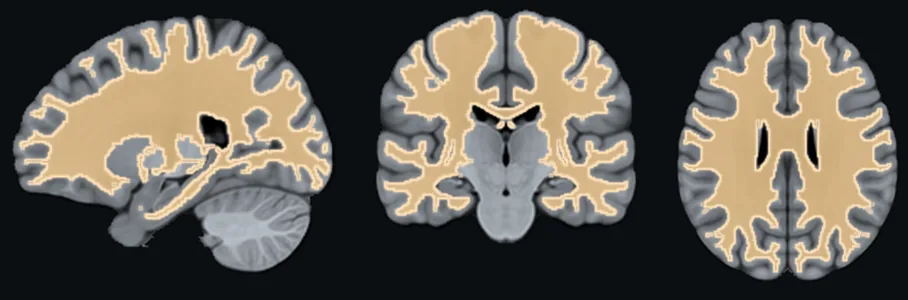
In Alzheimer’s disease, the most common cause, damage usually begins in the memory regions of the medial temporal lobe1,3.
Frontotemporal lobar degeneration affects the frontal and temporal lobes, which govern behaviour, personality and language6,8.
Damage to large and small blood vessels reduces the brain’s blood supply; disease of small vessels often affects the deep white matter9.
Signs and symptoms
Symptoms depend on the underlying disease and on which parts of the brain are affected, and they usually become more severe over time1.
- Memory problems, such as forgetting recent events or misplacing things1
- Difficulty finding words, following conversations, solving problems or making decisions1
- Getting lost or confused in familiar places, losing track of time and misjudging distances1
- Changes in mood, personality and behaviour, which sometimes appear before memory problems1
- Fluctuating attention and alertness, detailed visual hallucinations and acting out dreams during sleep, which are characteristic of Lewy body dementia5
- Early changes in social behaviour, such as acting impulsively or inappropriately or seeming to lack empathy, or a decline in language, which are typical of frontotemporal dementia6,8
- In later stages, needing help with personal care, eating and drinking, moving around and continence1
Causes and risk factors
Each type of dementia has a different underlying disease, and the boundaries between types are not always clear1. Age is the strongest known risk factor, but many other factors contribute across the life course1,2.
- Alzheimer’s disease: the most common cause, linked to clumps of amyloid protein between brain cells and tangles of tau protein inside them1,3
- Vascular dementia: caused by reduced blood flow to the brain, for example after a stroke or a series of small strokes, which damages and eventually kills brain cells4
- Lewy body dementia: includes dementia with Lewy bodies and Parkinson’s disease dementia, both associated with clumps of a protein called alpha-synuclein inside brain cells3,5
- Frontotemporal dementia: a group of diseases affecting the frontal and temporal lobes, and a common cause of dementia beginning before old age6,8
- Other causes, including repeated head injuries, certain infections such as HIV, harmful alcohol use and nutritional deficiencies1
- Fourteen modifiable risk factors: less education, hearing loss, high blood pressure, smoking, obesity, depression, physical inactivity, diabetes, high alcohol intake, traumatic brain injury, air pollution, social isolation, untreated vision loss and high LDL cholesterol2
Genetics
Most dementias are not caused by a single inherited gene2,3. Common genetic variants alter risk: the best known, the ε4 form of the APOE gene, is associated with Alzheimer’s disease, but many people with Alzheimer’s disease do not carry it and it is not used as a diagnostic test2. Dementia risk can be reduced whatever a person’s APOE status2.
Frontotemporal dementia has the strongest genetic component: estimates suggest that roughly a fifth to a third of cases are linked to a single-gene variant2,6,8. The most important genes are MAPT, GRN and C9orf72, and C9orf72 variants can cause frontotemporal dementia, motor neurone disease (amyotrophic lateral sclerosis) or both6.
Dementia with Lewy bodies usually occurs without a family history, although rare familial cases exist5. Some rare inherited disorders of small blood vessels, such as CADASIL, can cause strokes and problems with thinking and memory3.
What happens in the brain
In every form of dementia, neurons (nerve cells) and the connections between them stop working properly and are gradually lost in regions that support memory, language, reasoning and behaviour3. The types differ in the disease process that causes this damage.
In Alzheimer’s disease, amyloid clumps between neurons and tau tangles inside them, together with inflammation and blood-vessel changes, damage brain cells3. In Lewy body dementia, clumps of alpha-synuclein called Lewy bodies are associated with the loss of neurons that produce neurotransmitters, the chemical messengers between brain cells5.
In frontotemporal lobar degeneration, the brain disease underlying frontotemporal dementia, neurons and support cells accumulate abnormal tau or TDP-43 protein, and in 5-10% of patients proteins of the FET family8. In vascular cognitive impairment, damage to large and small blood vessels reduces the brain’s blood supply; pure vascular dementia is uncommon, because most people with it also have Alzheimer-type changes9.
How it is diagnosed
There is no single test for dementia. Doctors first look for other, potentially treatable causes of memory or thinking problems, and even after assessment it is not always possible to say exactly which type of dementia a person has3.
In India, the ICMR Standard Treatment Workflow for dementia sets out assessment at each level of care, including tests for treatable causes such as thyroid disorders and vitamin B12 deficiency and brain imaging with CT or MRI14. In the United Kingdom, NICE guidance sets out how dementia should be assessed and diagnosed and how people living with dementia and their carers should be supported13.
- A medical history, ideally including an account from someone who knows the person well, and a physical examination3
- Cognitive and neuropsychological tests of memory, language, attention and problem-solving3
- Blood tests for conditions that can cause or worsen symptoms, such as vitamin or hormone problems3
- CT or MRI brain scans to look for strokes, tumours, bleeding or patterns of shrinkage3
- PET scans that detect amyloid and tau, and cerebrospinal fluid tests, in selected cases; blood tests for these proteins are being developed3,10
- For suspected dementia with Lewy bodies, assessment for REM sleep behaviour disorder and specialised tests such as MIBG heart scintigraphy7
- Psychiatric assessment to check whether depression explains the symptoms, and genetic testing when an inherited form is suspected3,6
How scientists study it
MRI shows shrinkage and blood-vessel damage, while PET scans can detect amyloid and tau and are increasingly used in clinical trials and observational studies3,10.
Blood and cerebrospinal fluid tests can detect Alzheimer-type changes and general markers of nerve-cell damage, and markers of alpha-synuclein pathology are emerging10.
Long-term studies of large populations, combined in the Lancet Commission, estimate how much dementia is attributable to modifiable risk factors across the life course2.
Studies of families with inherited frontotemporal dementia identified disease-causing genes and allow researchers to follow carriers before symptoms begin6,8.
International groups periodically revise diagnostic criteria, such as those for dementia with Lewy bodies, separating core clinical features from supporting biomarkers7.
Examination of donated brain tissue after death remains the way to confirm the disease type in many cases and to refine pathological criteria6,7.
Randomised trials test medicines and non-drug approaches, such as a large phase 3 trial of the anti-amyloid antibody lecanemab in early Alzheimer’s disease12.
Current treatments
There is no cure for dementia, but much can be done to manage symptoms and support people living with dementia and those who care for them1,3.
Donepezil, rivastigmine and galantamine, which act on acetylcholine, a chemical messenger important for memory, are used in Alzheimer’s disease, and there is evidence that they can help in dementia with Lewy bodies and Parkinson’s disease dementia11. Indian clinical practice guidelines list them, with memantine, as the approved medicines for cognitive impairment in Alzheimer’s disease15.
Memantine blocks the effects of excess glutamate, another chemical messenger, and is used in moderate or severe Alzheimer’s disease, dementia with Lewy bodies and mixed Alzheimer’s and vascular dementia11.
Treating high blood pressure, cholesterol and diabetes and preventing further strokes is the main approach in vascular dementia1,9.
Cognitive stimulation therapy, cognitive rehabilitation, reminiscence and life-story work, physical activity and social engagement can support thinking, mood and daily functioning1,11.
For distressing behaviour, non-drug approaches are tried first, and antipsychotic medicines are used only when clearly needed1. People with Lewy body dementia can react severely to them5.
In early Alzheimer’s disease, lecanemab reduced amyloid and moderately slowed decline in a trial, but caused side effects including brain swelling seen on scans12.
Support for carers, including practical training, regular breaks and professional help when needed, is an important part of care1.
Research frontiers
Low-cost blood tests for Alzheimer-type changes could transform diagnosis worldwide and help people join trials earlier3,10.
The newest evidence added untreated vision loss and high LDL cholesterol to the list of modifiable risk factors, strengthening the case for population-wide prevention2.
The discovery of disease-causing mutations has led to potential disease-modifying treatments that aim to slow progression or delay onset; these remain experimental8.
Symptomatic trials of transcranial direct current stimulation, a weak electrical current applied through the scalp, are beginning to show promise in frontotemporal lobar degeneration8.
Biomarkers of alpha-synuclein pathology could allow earlier and more accurate diagnosis of Lewy body diseases10.
Researchers aim eventually to treat specific small-vessel diseases of the brain to prevent cognitive decline9.
Living with the condition and seeking help
Occasional forgetfulness is common, but persistent or worsening problems with memory, thinking or behaviour that interfere with daily life are worth discussing with a doctor, since some causes are treatable and a diagnosis opens the way to support1,3.
People living with dementia can help maintain well-being by staying physically and socially active, keeping up hobbies, writing down tasks and appointments, and having regular health check-ups1. Planning ahead, for example by choosing trusted people to help with decisions and recording preferences for future care, is easier while decisions can still be made independently1.
Caring for someone with dementia can be demanding. Carers are encouraged to seek help from family, friends and professionals, take regular breaks and look after their own health; WHO’s iSupport programme offers practical skills and training for carers1.
References
- World Health Organization. Dementia (fact sheet). Link
- Livingston G, Huntley J, Liu KY, et al. Dementia prevention, intervention, and care: 2024 report of the Lancet standing Commission. Lancet. 2024;404:572-628. doi:10.1016/S0140-6736(24)01296-0 · PubMed
- National Institute of Neurological Disorders and Stroke, United States. Dementia. Link
- NHS (United Kingdom). Vascular dementia. Link
- National Institute of Neurological Disorders and Stroke, United States. Lewy body dementia. Link
- National Institute of Neurological Disorders and Stroke, United States. Frontotemporal dementia and other frontotemporal disorders. Link
- McKeith IG, Boeve BF, Dickson DW, et al. Diagnosis and management of dementia with Lewy bodies: fourth consensus report of the DLB Consortium. Neurology. 2017;89:88-100. doi:10.1212/WNL.0000000000004058 · PubMed
- Grossman M, Seeley WW, Boxer AL, et al. Frontotemporal lobar degeneration. Nat Rev Dis Primers. 2023;9:40. doi:10.1038/s41572-023-00447-0 · PubMed
- van der Flier WM, Skoog I, Schneider JA, et al. Vascular cognitive impairment. Nat Rev Dis Primers. 2018;4:18003. doi:10.1038/nrdp.2018.3 · PubMed
- Hansson O. Biomarkers for neurodegenerative diseases. Nat Med. 2021;27:954-963. doi:10.1038/s41591-021-01382-x · PubMed
- NHS (United Kingdom). Treatments for dementia. Link
- van Dyck CH, Swanson CJ, Aisen P, et al. Lecanemab in early Alzheimer's disease. N Engl J Med. 2023;388:9-21. doi:10.1056/NEJMoa2212948 · PubMed
- National Institute for Health and Care Excellence (NICE), United Kingdom. Dementia: assessment, management and support for people living with dementia and their carers. NICE guideline NG97. 2018. Link
- Indian Council of Medical Research and Department of Health Research, Ministry of Health and Family Welfare, Government of India. Standard Treatment Workflows of India, 2019 edition, vol. 1: Neurology (acute paralysis, dementia, epilepsy, headache, neuroinfections, stroke). New Delhi: ICMR; 2019. Link
- Shaji KS, Sivakumar PT, Rao GP, Paul N. Clinical practice guidelines for management of dementia. Indian J Psychiatry. 2018;60(Suppl 3):S312-S328. doi:10.4103/0019-5545.224472 · PubMed
Prepared 15 October 2026.
Last updated